Linen Quality: Perception, Reality, and the OPL vs. Outsourcing Decision
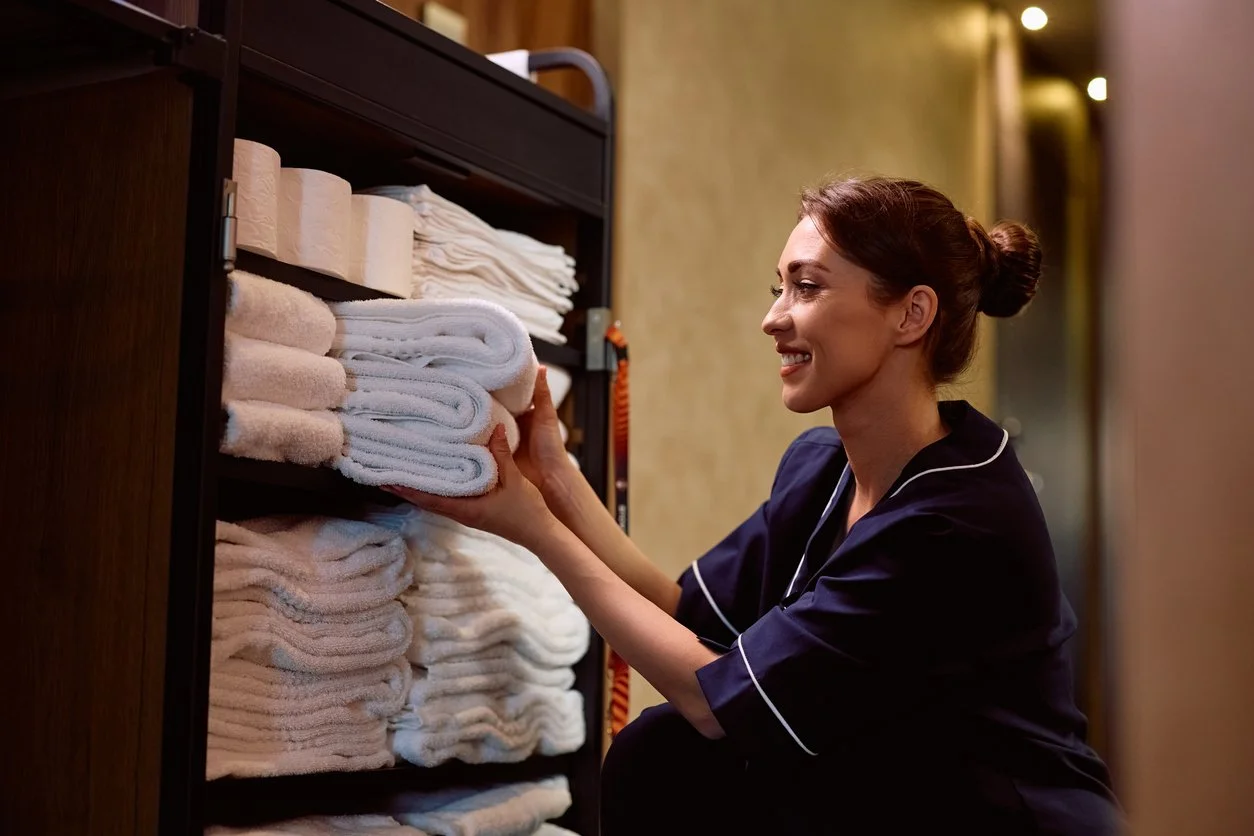
For a luxury hotel, linen quality is part of the guest experience.
Guests may not know the thread count, fabric construction, processing formula, or number of times a sheet has been washed. They simply know how the linen looks, feels, and smells. A crisp sheet can reinforce a sense of care and comfort. A rough towel, faint stain, or wrinkled tablecloth can create the opposite impression even when the item is technically clean.
That distinction matters because linen quality is both measurable and perceived. It is also shaped by far more than the location where linens are washed.
As hotels evaluate whether to operate an on-premise laundry or outsource to a commercial laundry provider, the strongest decision begins with a better question: Which model can consistently deliver the quality guests expect while supporting the hotel’s operational and financial goals?
What Does Linen Quality Mean to a Hotel Guest?
To a guest, quality is immediate and personal. It may mean:
Bright, uniform color
A clean, fresh scent without heavy fragrance
Softness and absorbency
A smooth, finished appearance
No visible stains, tears, thinning, or discoloration
Consistency from one room or visit to the next
Some of these qualities are subjective. One guest may associate softness with luxury, while another may focus on crispness or appearance. But perception is still operationally important. If a linen item looks worn or feels uncomfortable, explaining that it passed a cleanliness standard will not change the guest’s experience.
Hotels therefore need to manage two standards at once: actual cleanliness and the guest’s perception of quality.
Why Is Linen Quality About More Than Washing?
When linen quality declines, the laundry process is often the first place people look. Sometimes the wash process is responsible—but not always.
The condition of a finished linen item can be influenced by its entire lifecycle, including:
The original textile specifications and manufacturing quality
How employees collect, sort, and transport soiled linens
Whether stains are identified and treated appropriately
Chemical selection, water quality, temperature, and wash formulas
Drying, finishing, folding, and packaging practices
Storage conditions and linen rotation
Inventory levels and how often each item must be processed
Guest use, employee handling, and accidental damage
The age of the linen and whether it should be removed from circulation
A towel that feels rough may have been overprocessed, but it may also be nearing the end of its useful life. A stained napkin may reflect a treatment issue, improper sorting, or a stain that permanently altered the fabric. Wrinkles may originate in finishing, packaging, transportation, storage, or handling after delivery.
That is why productive quality conversations should move beyond blame. Hotels, textile manufacturers, and laundry operators each see a different part of the linen lifecycle. Improving the final product requires visibility across all three.
What Is an On-Premise Laundry?
An on-premise laundry, or OPL, is a laundry operation located within the hotel. The property owns the equipment, manages the employees, purchases supplies, and controls the laundering schedule.
For some hotels, that direct control is attractive. An OPL may offer immediate access to inventory, the ability to adjust priorities internally, and close oversight of specialty items. Properties with experienced laundry leadership, appropriate space, reliable equipment, and sufficient volume may be able to operate an effective in-house program.
However, control does not automatically create consistency. Hotels must also manage:
Equipment acquisition, maintenance, repairs, and replacement
Recruitment, training, scheduling, and retention of laundry employees
Utilities, chemicals, safety procedures, and regulatory requirements
Preventive maintenance and downtime contingency plans
Quality-control processes and production data
Capacity during peak occupancy and event periods
Ongoing expertise in textile care and wash-formula optimization
An OPL can perform well, but its true cost and performance should be evaluated across the entire operation—not only by comparing the apparent cost of washing each pound.
How Does Outsourced Hotel Laundry Work?
In a customer-owned-goods, or COG, model, the hotel continues to own its linens while an outside commercial laundry provider processes them. The provider collects soiled goods, launders and finishes them, and returns clean inventory according to an agreed schedule.
Outsourcing can give hotels access to specialized equipment, trained production teams, quality-control systems, and greater processing capacity without requiring the property to operate a laundry facility.
It can also allow hotel leadership to focus employees, space, capital, and management attention on the guest experience rather than laundry production.
The quality of an outsourced program, however, depends on the quality of the partnership. A hotel should understand how a potential provider handles:
Sorting, stain treatment, and rejected items
Wash-formula development and textile compatibility
Inspection and quality control
Pickup, delivery, and turnaround expectations
Inventory separation and tracking
Communication and issue resolution
Seasonal volume changes and emergency needs
Data that can help identify loss, damage, and replacement trends
Choosing a laundry partner solely on price can overlook the factors that most directly affect linen life, hotel operations, and guest satisfaction.
OPL vs. Outsourcing: Which Produces Better Linen Quality?
Neither model guarantees better quality by itself.
An OPL may offer direct control, but results can suffer if equipment is outdated, staffing is inconsistent, processes are undocumented, or inventory is pushed through too quickly. An outsourced provider may offer scale and technical expertise, but results depend on service reliability, communication, quality standards, and the provider’s ability to understand the hotel’s expectations.
The better model is the one that can consistently answer four questions:
Are linens hygienically clean and processed appropriately for the textile?
Do finished linens meet the property’s visual and tactile standards?
Can the operation deliver reliable volume and turnaround during normal and peak periods?
Can quality issues be traced, discussed, and corrected using clear information?
Hotels should evaluate performance using both objective measures and guest-facing standards. Useful indicators may include rewash rates, rejection rates, stain trends, textile replacement frequency, turnaround performance, emergency requests, guest complaints, and consistency across deliveries or shifts.
How Can Hotels Close the Gap Between Perception and Reality?
Start by defining quality in specific terms.
“Make the linens better” is difficult to measure. “Reduce visible stains,” “improve towel softness,” “standardize banquet-linen presentation,” or “remove worn items before they reach guestrooms” gives the hotel and laundry team a clearer goal.
Next, examine the full process. Review purchasing specifications, par levels, handling practices, storage, wash processes, finishing, transportation, and retirement standards. If several parties are involved, bring them into the same conversation.
Finally, create a consistent feedback process. Photos, item counts, trend data, and examples are more useful than general complaints. The goal should be to identify where the problem entered the linen lifecycle and determine what action will prevent it from recurring.
Choose the Model That Supports the Experience You Promise
Guests do not judge linen quality according to an organizational chart. They do not care whether a sheet was washed downstairs or across town. They care whether it feels clean, comfortable, and worthy of the property’s promise.
The OPL vs. outsourcing decision should therefore be based on more than tradition or cost per pound. Hotels should consider consistency, expertise, capacity, labor, equipment, space, data, accountability, and the ability to protect linen quality over time.
Metro Laundry Service helps luxury hotels evaluate their laundry needs and build reliable customer-owned-goods programs designed around quality, transparency, and the guest experience. Contact our team to discuss whether your current laundry model is delivering the consistency your property needs.